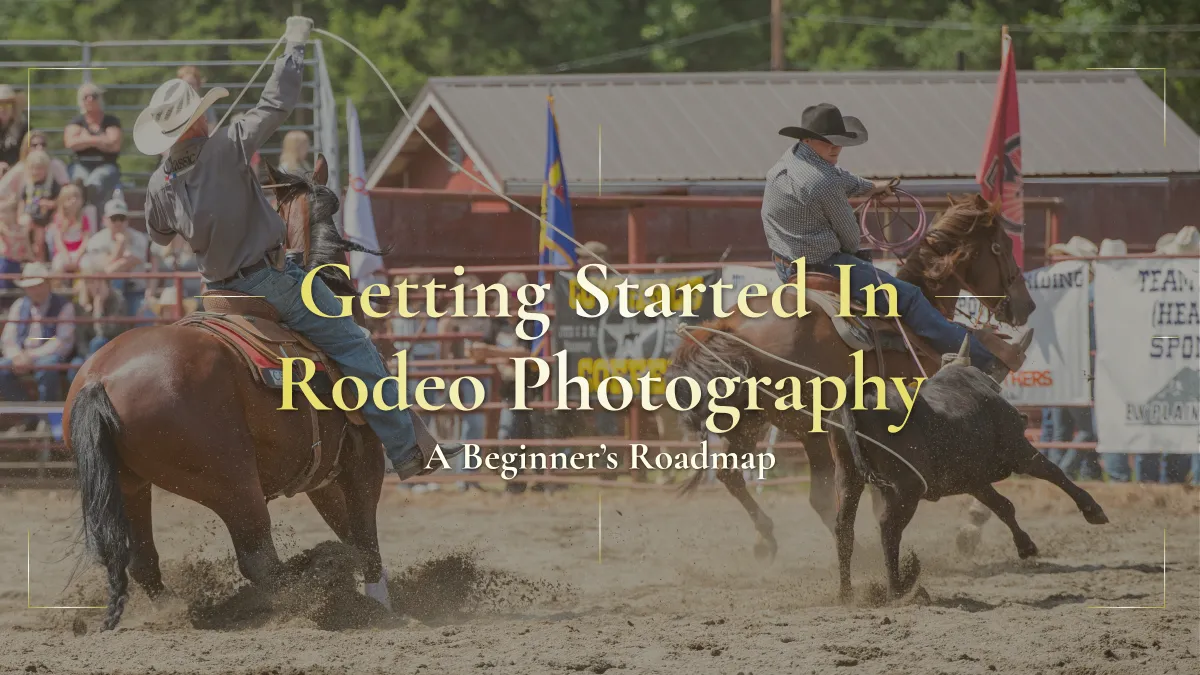
Getting Started In Rodeo Photography - A Beginners Roadmap
Getting Started In Rodeo Photography: A Beginner's Roadmap
When I photographed my first college rodeo in 2022, I did not begin with a full calendar of paid events, established committee relationships or every piece of equipment I would eventually want. I began by gaining experience, learning how rodeo works and proving that I could create consistent images while respecting the people and safety rules around me.
That is the part many beginners do not see. Becoming a rodeo photographer involves much more than owning a camera or learning a few settings. You need to understand the sport, gain permission to photograph, work safely, build trust and create a portfolio that shows more than one lucky image.
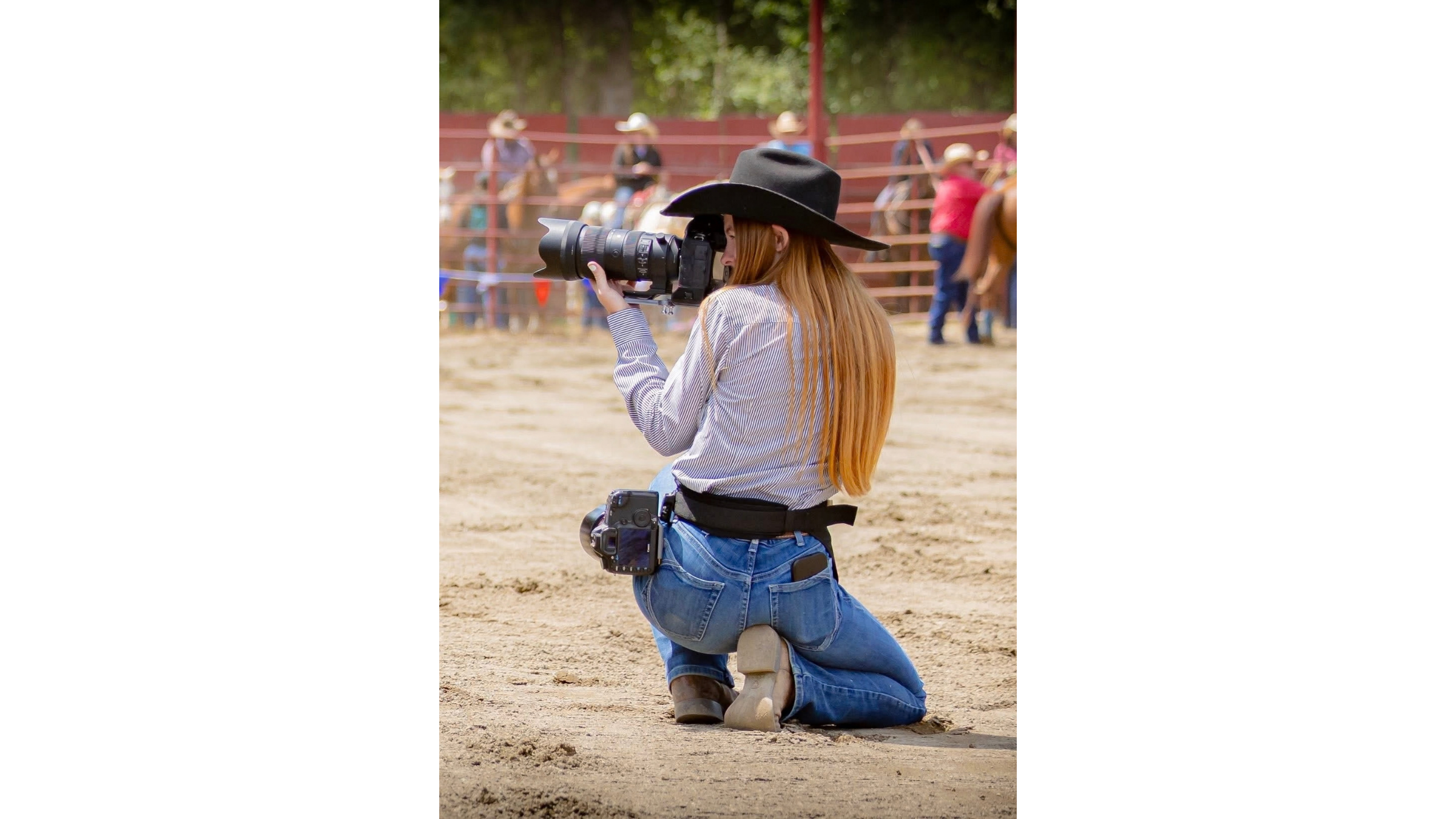
Learn how rodeo works
Rodeo becomes easier to photograph when you understand what is likely to happen next. Every event has its own rhythm, direction of movement and important moments. The better you understand those patterns, the more prepared you will be to recognize peak action instead of reacting after it has already happened.
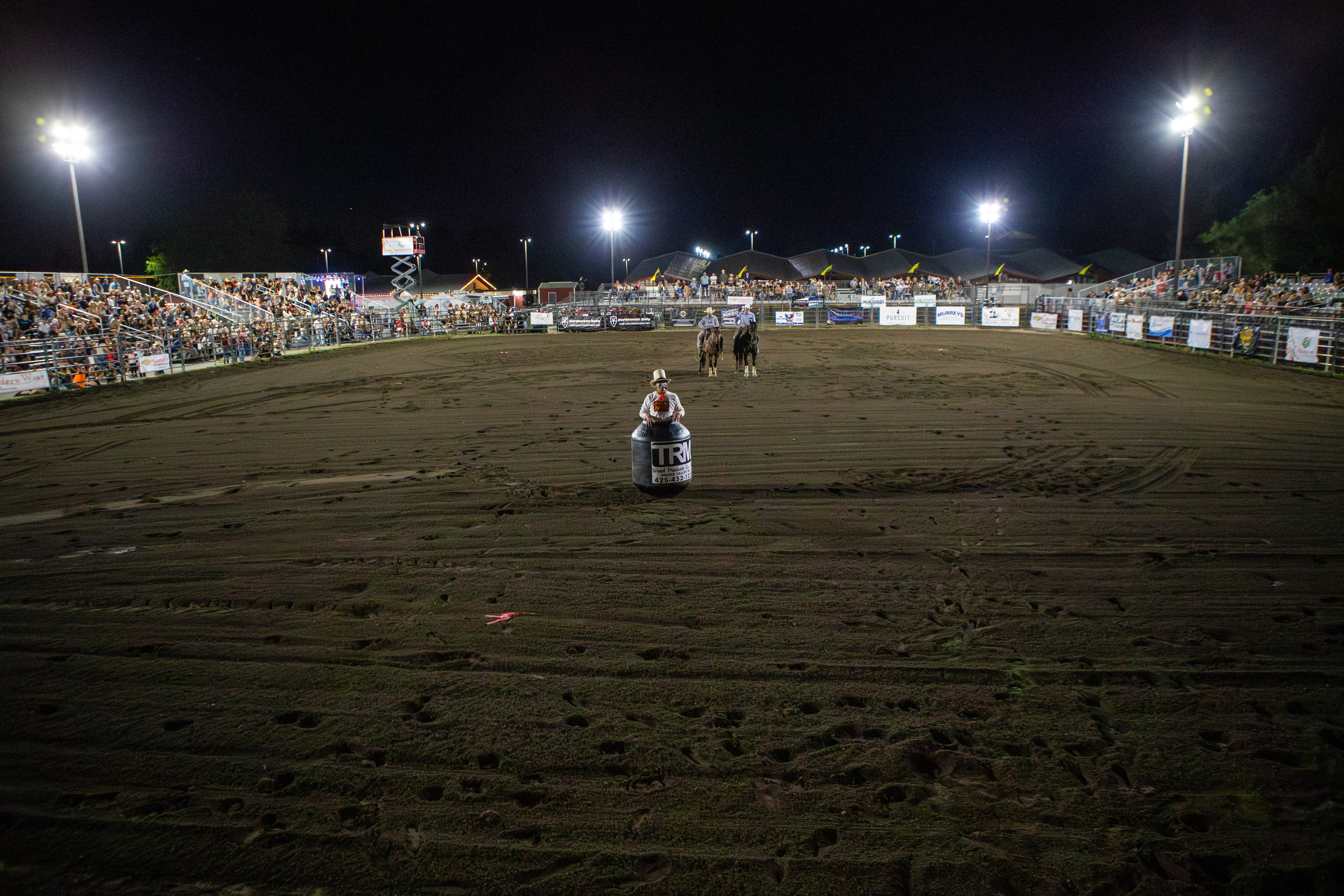
You do not need to compete in rodeo to photograph it well. You do need to watch carefully, learn the basic flow of each event and understand that the arena is a working environment rather than a photography set.
Start where access is realistic
You do not need to begin at a professional rodeo. Local jackpots, open events, youth rodeos, high school rodeos and smaller association events may offer more realistic places to gain experience, provided you contact the organizer and receive permission.
A ticket does not automatically grant commercial photography rights, and carrying a professional camera does not give you access to restricted areas. Rules vary by venue, committee and sanctioning organization, so always ask before photographing or selling images.
If you are not sure where to find events, my free U.S. Rodeo Associations Directory can help you begin researching organizations across the country.
Take safety and etiquette seriously
No photograph is worth placing yourself, a contestant, livestock or arena personnel in danger. Follow the instructions of the committee and arena staff, stay aware of what is happening around you, and never block gates, alleys, emergency routes or working personnel.
Arena access is not proof of status. It is a responsibility. How you behave can affect whether a rodeo trusts you, invites you back or feels comfortable allowing photographers into that space in the future.
Build the right foundation
A developing rodeo photographer should focus on several areas:
• Understanding motion, exposure and focus
• Learning to anticipate peak action
• Creating consistent images in changing light
• Building a focused rodeo portfolio
• Developing a reliable editing and delivery process
• Communicating professionally with organizers and clients
You do not need to master all of these before your first event. You do need to recognize that they work together. Strong camera skills will not compensate for unsafe behavior, and a beautiful portfolio will not compensate for missed deadlines or poor communication.
Create a portfolio that shows consistency
Your portfolio does not need hundreds of photographs. It should show that you can cover rodeo action consistently and tell a broader story.
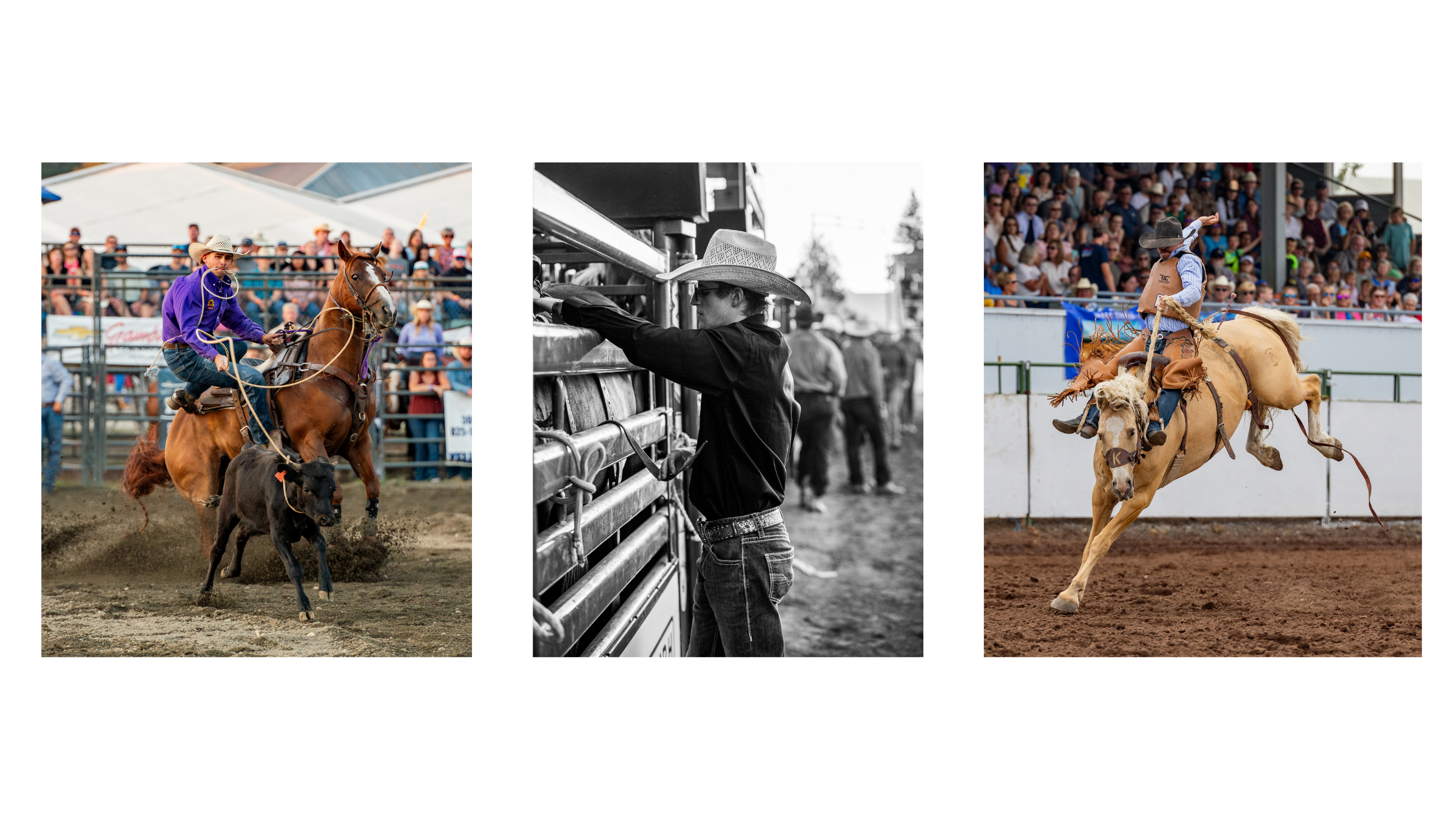
Include a thoughtful variety of action, emotion, atmosphere and behind-the-scenes moments. Choose only your strongest work, avoid filling the gallery with near-duplicates, and make the portfolio easy to view on a phone. A committee should not have to search through unrelated work to find your rodeo images.
Understand how rodeo photographers earn income
Rodeo photographers commonly earn money through individual contestant sales, committee-paid coverage, athlete coverage, editorial work or commercial licensing. Each option carries different expectations, financial risks and usage considerations.
I began with individual contestant sales. Over time, experience, relationships and a stronger portfolio helped me move toward being hired directly by rodeos. That transition did not happen immediately, and it does not need to.
Your next step
The first goal is not to reach the biggest arena as quickly as possible. It is to become a photographer who understands the sport, works safely, creates consistent images and follows through professionally.
This article gives you the roadmap. My Beginner's Guide to Rodeo Photography goes deeper into the technical, practical and business decisions behind each stage. If you also want my presets and outreach resources, the Rodeo Photographer Starter Bundle combines all three.
Frequently asked questions
Do I need a professional rodeo photography card to start?
No. Many photographers begin at local, youth, open, high school, college or association events. However, every event controls its own access and may have different requirements. Contact all rodeos before showing up to check on photography restrictions.
Can I sell photographs taken from the stands?
Do not assume that purchasing a ticket gives you commercial photography rights. Ask the organizer and review the venue and event rules before selling images.
How long does it take to get hired by rodeos?
There is no fixed timeline. Your portfolio, professionalism, relationships, local market and each committee's needs all influence the process.